Childhood disease in Uganda
Uganda faces significant health challenges for its children. We are working to change that.
Preventable illness should not cost a child's life
Children in Uganda and the Mbarara region face numerous health challenges that can be life-threatening without proper medical care.
Many diseases are preventable or treatable, but lack of access to quality healthcare means many children do not survive.
The conditions we see most
Malaria
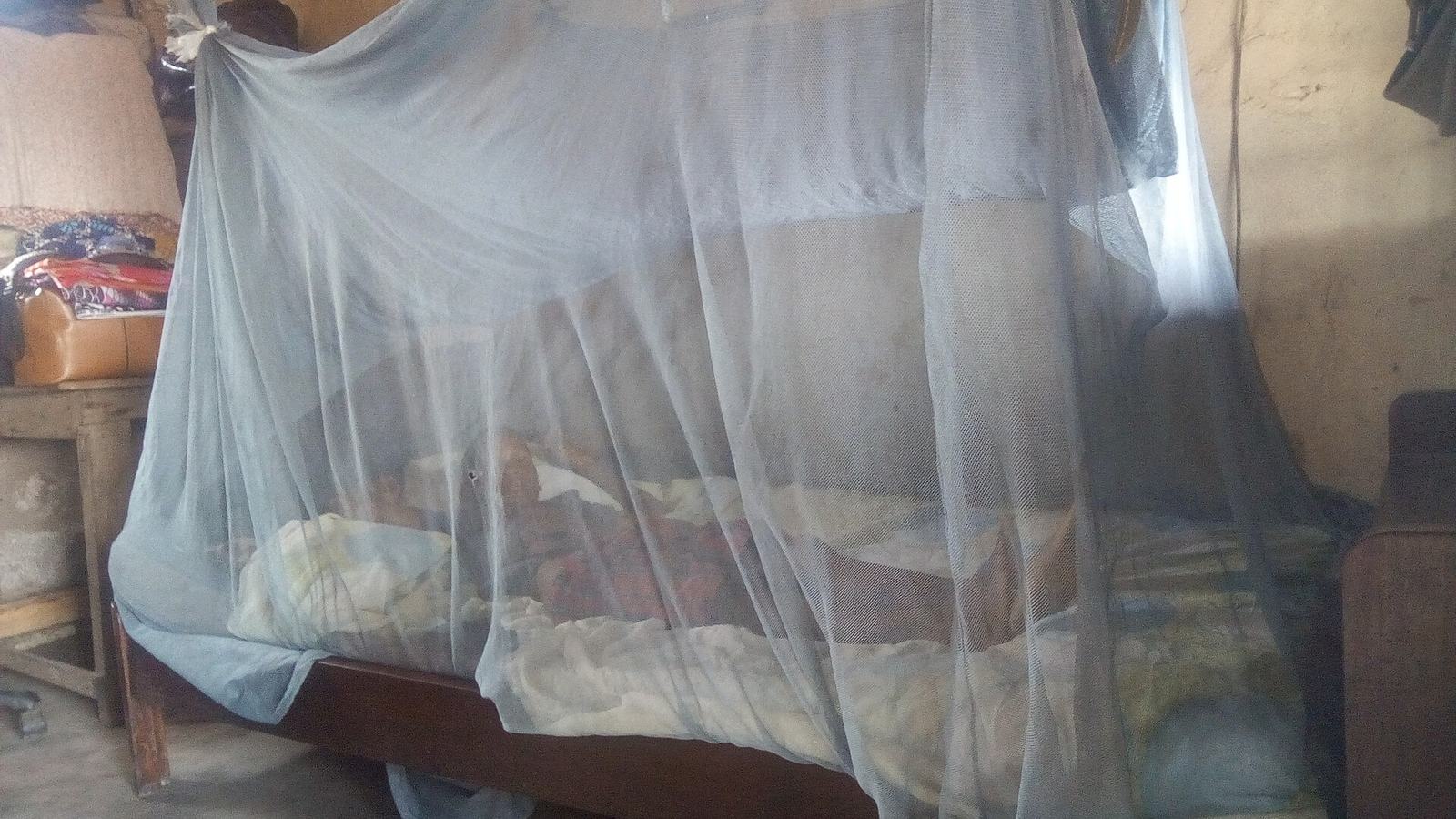
One of the leading causes of childhood death in Uganda. Malaria is preventable through bed nets and treatable with proper medication.
- Transmitted by mosquitoes
- High fever, chills and weakness
- Can be fatal if untreated
Diarrheal disease
Caused by contaminated water and poor sanitation. This is preventable through clean water access and education.
- Leads to severe dehydration
- Particularly dangerous for young children
- Often preventable through hygiene
Respiratory infections
Pneumonia and other respiratory infections are common, especially in young children and during the rainy season.
- Difficulty breathing and coughing
- Can progress rapidly in young children
- Treatable with antibiotics
Malnutrition
Many children lack adequate nutrition, weakening their immune systems and making them vulnerable to infection.
- Stunted growth and development
- Weakened immune response
- Requires long-term intervention
Injuries and accidents
Burns, falls and other injuries are common in childhood but often lack proper emergency care.
- Limited emergency facilities
- Risk of infection and complications
- Need for surgical intervention
Limited healthcare access
Many children have no access to qualified medical care, preventive services or emergency treatment.
- Distance to hospitals
- Cost barriers to care
- Limited trained medical staff
Simple measures that save lives
We educate communities about malaria prevention, water safety, nutrition and basic health practices to stop disease before it starts.
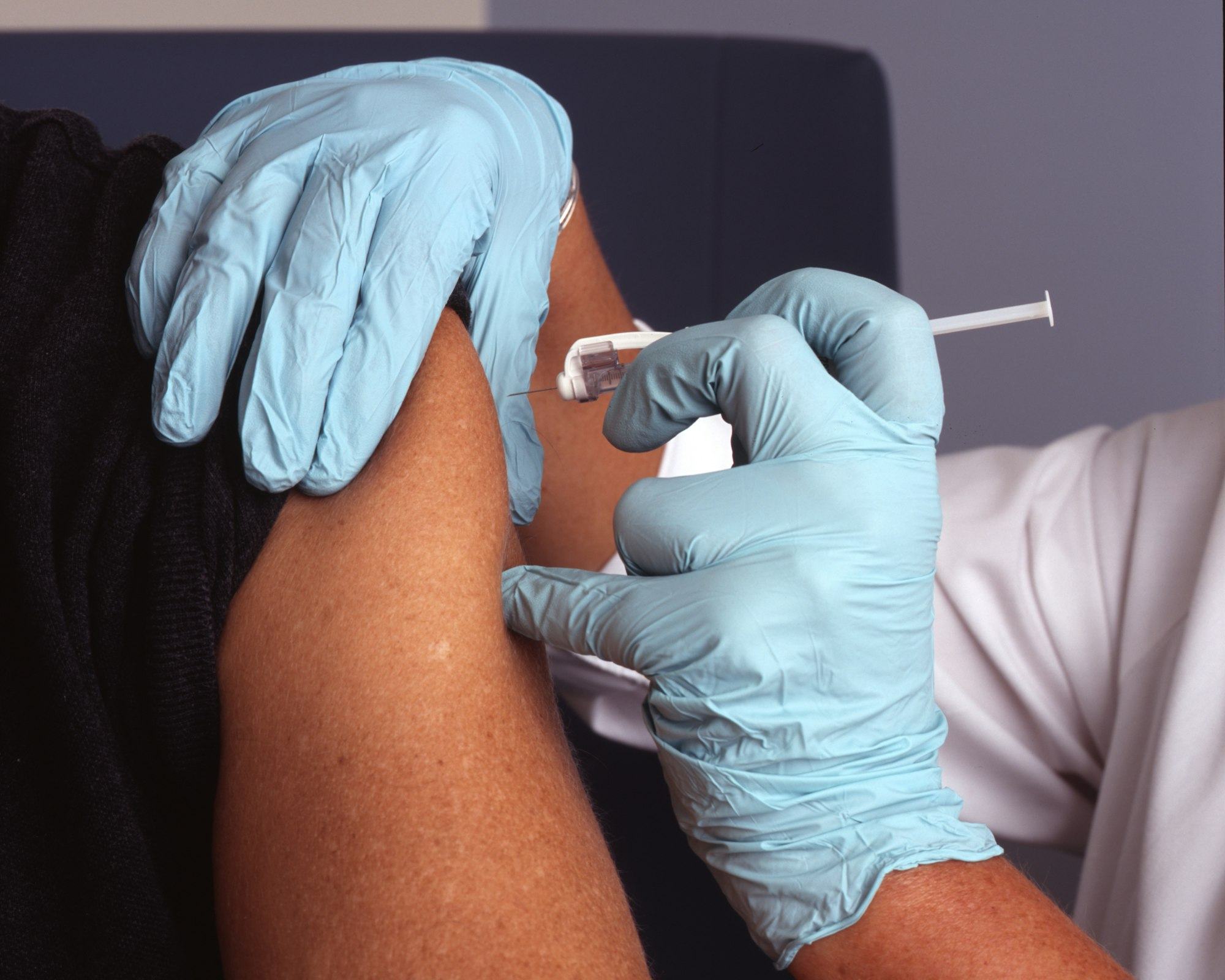
Vaccination
Keeping up with the full schedule protects children from diseases that are otherwise entirely preventable.
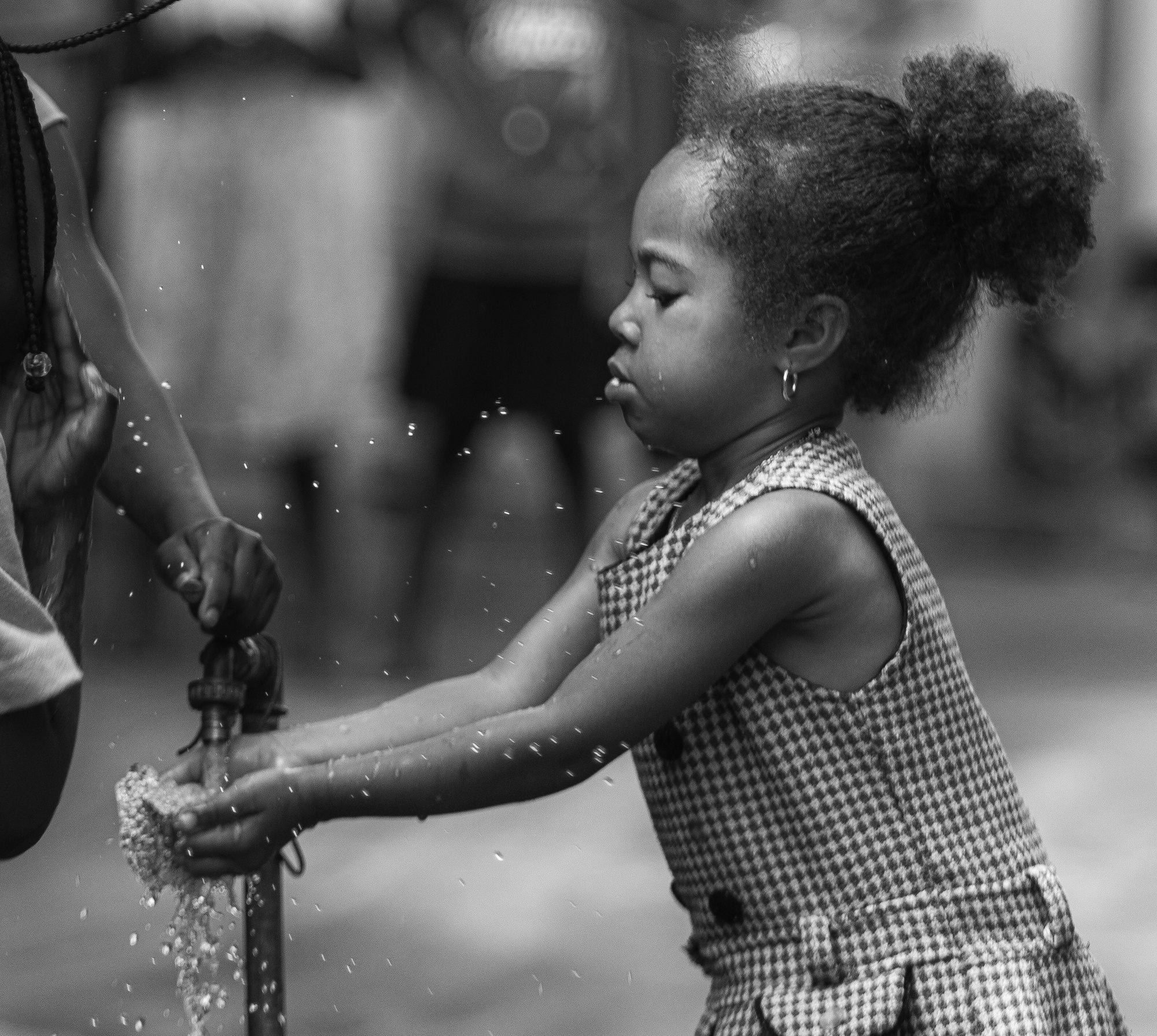
Clean water and hygiene
Safe water and handwashing are among the strongest defenses against diarrheal disease.
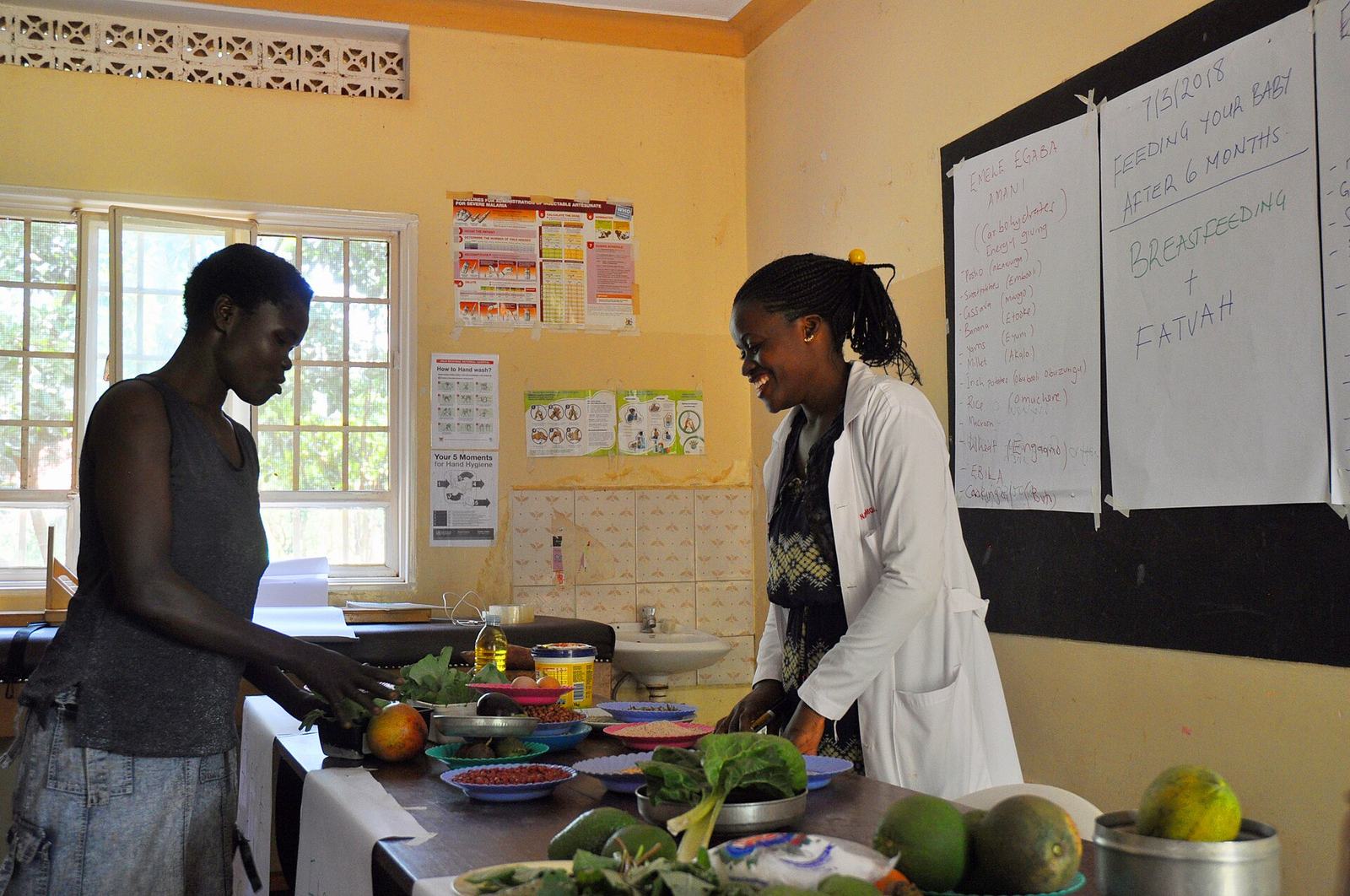
Nutrition
Good nutrition strengthens a child's immune system and supports healthy growth and development.
How we are responding
Accessible healthcare
We provide low-cost and free medical care to children who could not otherwise afford treatment, regardless of their family's ability to pay.
Emergency services
Our hospital operates 24/7 with emergency services, surgical care and critical care to save lives when it matters most.
Prevention programs
We educate communities about malaria prevention, water safety, nutrition and basic health practices.
Training and development
We train local healthcare workers and nurses to build capacity and improve healthcare throughout the region.
Research and improvement
We track health outcomes and share data to continuously improve our services and contribute to public health knowledge.
Community partnership
We work with local leaders, schools and organizations to reach more children and create sustainable health improvements.
Every child deserves a healthy life
Help us continue our work bringing healthcare to Uganda's most vulnerable children.